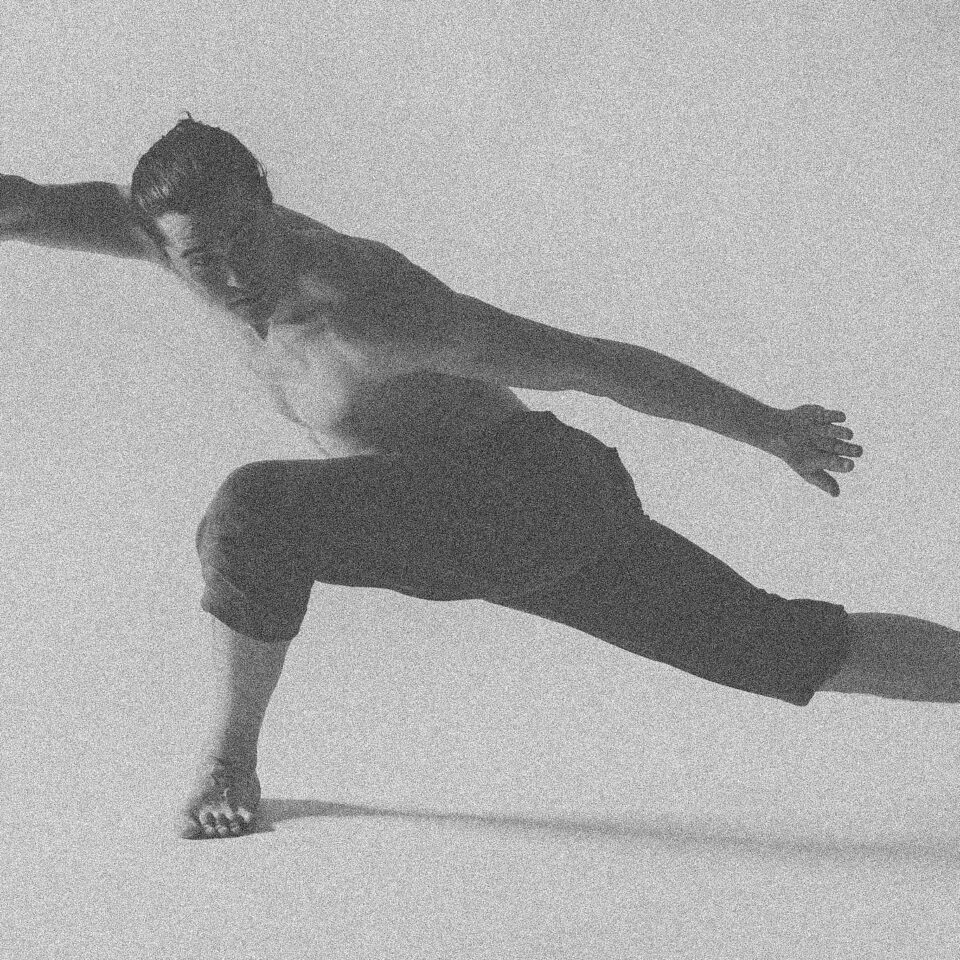



The Yin segment (陰段) of Tai Chi Internal Power (Neigong) primarily focuses on conditioning the physical body and structure (主練體).
To achieve the optimal movement quality and physical state during this training, traditional writings indicate you should aim for several key characteristics:
Dynamic Adaptability: Your movements must reach a highly versatile state where they “can be light or heavy, and can be soft or hard” (能輕能重,可柔可剛) depending on the combat or training situation.
Perfect Structural Coordination: You should aim to develop a “perfect method and standard” (完美的法度) for your body and hands. This requires keeping the waist and spine highly flexible for rotation while maintaining a profoundly stable horse stance (腰膂部位轉動靈活,步馬穩定).
Complete Physical Relaxation: Despite the rigorous structural conditioning of the Yin postures, your ultimate physical quality must be profound looseness. This is explicitly highlighted in the Yin training chart by the final dynamic exercise of the segment, “Elephant Shaking Head” (象搖頭), whose specific goal is to achieve a state where the “whole body is completely relaxed” (滿體弛鬆).
Internal and External Unity (內外合一): Your external physical movements must be perfectly coordinated with the internal rhythm of your breathing (肺臟呼吸的協調).
Body and Mind Unity (身心合一): Your physical movements must be completely aligned with your intent, achieving a state where “wherever the mind directs, the body and hands follow” (心之所指身手隨之).
The first stage of Neigong mastery is known as “Internal and External Unity” (內外合一).
According to tradition, this stage is defined as achieving perfect coordination between your external physical movements and your internal lung breathing.
To reach this level of mastery, you must synchronize your physical martial techniques with the deep, downward breathing mechanics of “Qi sinking to the Dantian” (氣沉丹田). The text explains that over time, your diaphragm must learn to move seamlessly in tandem with your lungs. When you inhale, your diaphragm should automatically press downward toward your stomach and intestines, which allows your lungs to stretch vertically downward; this heavily increases your air intake without requiring you to expand your chest horizontally. As you exhale, the diaphragm naturally lifts back up.
Achieving “Internal and External Unity” means that every external posture, strike, and defensive maneuver you execute is flawlessly timed and harmonized with this continuous, rhythmic internal pressing and lifting cycle. This synchronization ensures your body’s physical exertion is entirely supported by your internal respiratory engine, allowing you to generate power while remaining completely stable.