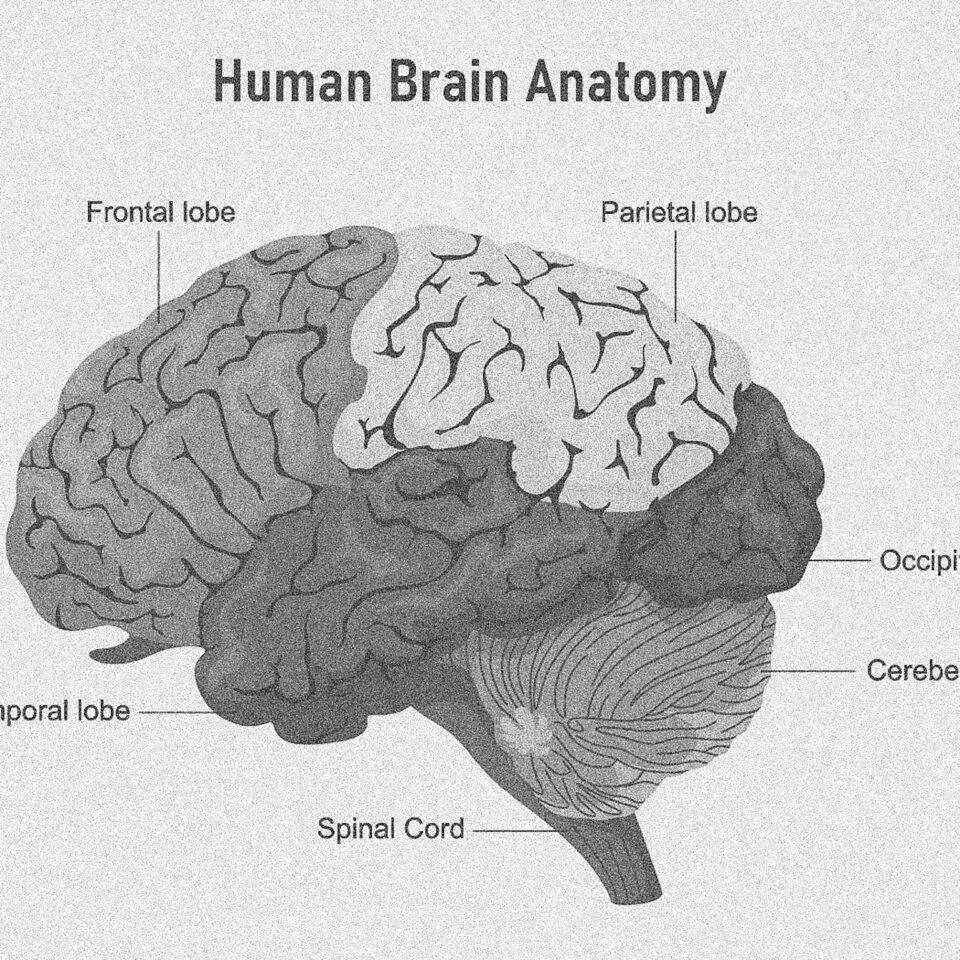



Ancient breathing techniques, such as those practiced in t’ai chi Neigong —often studied under the broader scientific umbrella of mindfulness meditation and mind-body interventions—alter the brain’s physical structure through a process called neuroplasticity.
Structural MRI data reveals several specific ways these meditative breathing practices physically remodel the brain:
- Increased Cortex Thickness and White Matter: Regular practice leads to greater thickness in the brain’s cortex and enhanced white matter integrity, particularly within the anterior cingulate cortex (ACC). The ACC is the primary brain region responsible for attention control.
- Preservation of Grey Matter: As people age, they naturally lose grey matter, but studies on experienced meditators show a significantly decreased age-related decline of grey matter volume in the putamen.
- Remodeling Key Regulatory Centers: Neuroimaging shows consistent structural and functional alterations in a specific network of brain regions, including the striatum (caudate and putamen), medial prefrontal cortex, posterior cingulate cortex, insula, and the amygdala.
Together, the physical restructuring of these specific brain regions massively enhances three vital cognitive functions: attention control, emotion regulation, and self-awareness. This physical brain preservation also actively prevents normal age-related declines in attention performance.
While scientists are still studying the exact underlying physiological mechanisms that cause these neuroplastic changes, the structural evidence directly supports how long-term practitioners develop “learned dispositional mindfulness,” permanently rewiring their brains to maintain a calm, attentive state even when they aren’t actively practicing.