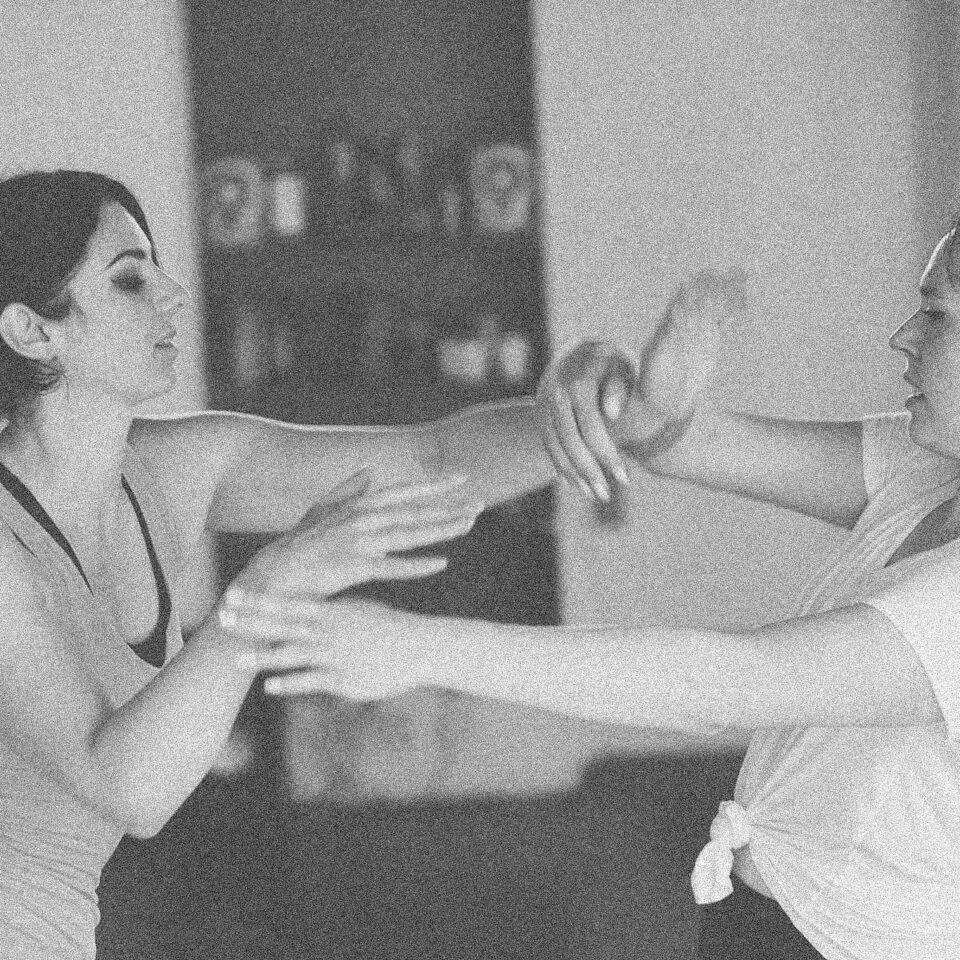



According to historical masters, the ideal t’ai chi mindset is a profound blend of Daoist philosophy, strict martial ethics, and unshakeable mental calmness. You should approach your practice with the following core attitudes:
- Supreme Relaxation and Softness (柔和放鬆): You must intentionally discard any impulse to use stiff, brute force (拙力). Following Daoist principles, your attitude should deeply embrace “softness” (柔) to clear the mind. By avoiding the impulsive, aggressive mindset of “hard” martial arts, this physical softness directly translates into a rational, clear, and undisturbed mental state.
- Absolute Calmness and Tranquility (鎮定與心境平靜): Whether practicing the continuous solo routine to “seek stillness within motion” (動中求靜) or facing a chaotic street encounter, you must force yourself to remain completely calm (鎮定). Panic is your greatest enemy; only through an absolutely tranquil mind can you maintain the alert and resourceful state necessary to process your environment.
- High Martial Ethics and Forbearance (武德與忍讓): A true practitioner approaches the world with a peaceful mindset (和平之心態). You should embody the ancient spirit of “stopping the spear” (止弋為武), which means martial arts are ultimately meant to stop violence, not create it. You must be highly tolerant and only resort to using your techniques in actual combat as an absolute last necessity.
- Righteous Confidence (理直氣壯): While you must be peaceful, if you are forced into a sudden conflict, your mindset must immediately anchor on justice. By asking yourself if reason and justice are on your side, you establish an unyielding, bold psychological confidence that sustains your courage through the fight.
- Patience for Progressive Mastery: You must approach learning with the understanding that mastery requires immense time and repeated failure. In push hands training, for example, your mindset will evolve through three distinct stages: from “unconscious” (不知不覺) where you are constantly defeated without knowing why, to “after-the-fact awareness” (後知後覺) where you recognize your mistakes but are too slow to stop them, and finally to “foreknowledge” (先知先覺) where you can anticipate and control an opponent’s intent before they even move. The attitude is to patiently progress from familiarizing with the physical moves (着熟), to deeply understanding the internal energy (懂勁), and eventually reaching a miraculous or divine state of skill (神明).
- Striving for “Heaven and Man become One” (天人合一): The ultimate psychological goal of your practice—especially through Tai Chi Internal Power (Neigong)—is to reach a profound state of complete self-forgetfulness (忘我境界). Your attitude should always be aimed at achieving this perfect harmony where your mind, body, and the natural world resonate as