

Translated as Inward Training it is a collection of poetic verses detailing a method of self-discipline known as “inner cultivation” and the nature of the Way (Tao).
Hidden for millennia as a single chapter within the voluminous, politically focused Kuan Tzu collection
It is now considered by scholars to be possibly the oldest mystical text in China.
Relationship to Taoism Inward Training is regarded as the foundational text of Taoist mysticism because it contains the earliest extant presentation of the actual meditative practices that unite all early sources of Taoist thought. It provides the concrete, practical mechanics of breath meditation, bodily alignment, and mental emptying that later formed the spiritual core of the institutionalized Taoist religion. Because it likely predates the other famous Taoist classics, it is often referred to as “the original Tao,” serving as the semantic and practical core from which the rest of the tradition evolved.
Relationship to the Tao Te Ching (Lao Tzu) Inward Training and the Tao Te Ching share a profound literary and philosophical kinship, though Inward Training is considered the older and more practically focused of the two.
- Shared Genre and Cosmology: Both texts belong to a distinctive literary genre of philosophical verse with strong oral elements. They share an identical core cosmology where the Tao is the ultimate power that generates and completes all things in the cosmos. Both texts emphasize the cultivation of Te (inner power) and advocate for achieving tranquility through emptying the mind of desires and excessive thoughts. They even share highly specific technical vocabulary, such as the meditative practice of “maintaining the One”.
- Key Differences: The primary difference lies in their scope and abstraction. Inward Training is roughly one-third the length of the Tao Te Ching and focuses almost exclusively on the personal practice of breath meditation. It completely lacks the Tao Te Ching‘s political philosophy, its polemical attacks on other intellectual schools, and its famous abstract metaphors (such as the “valley spirit,” the “empty vessel,” or the “unhewn wood”).
Ultimately, scholars suggest that Inward Training represents the pure, original mystical practice, while the Tao Te Ching represents a later, more conceptually elaborate work that expanded upon these core practices and applied them to the broader arts of rulership.
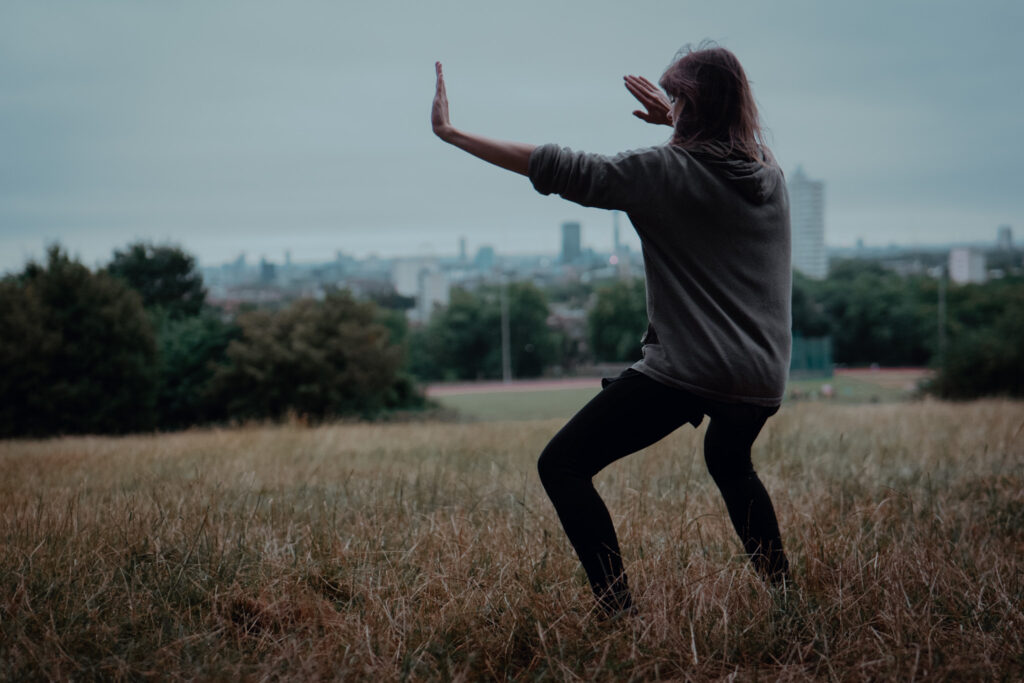
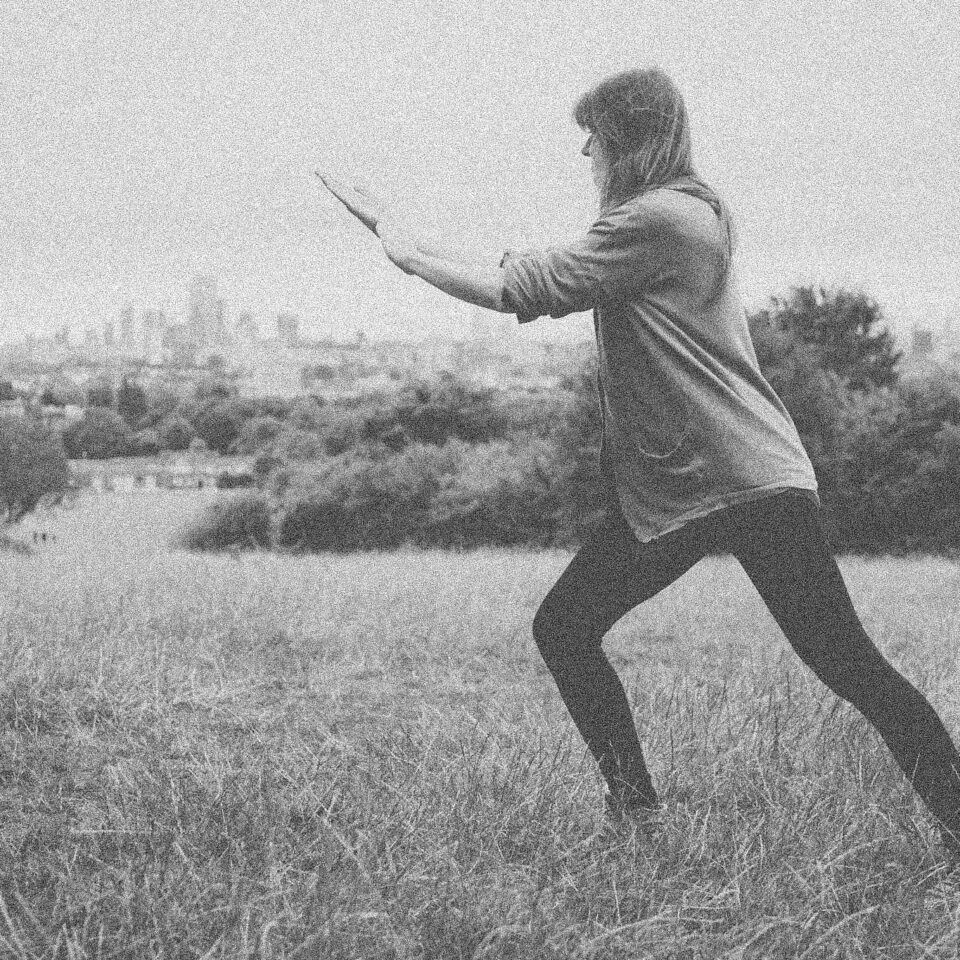
The breathing and meditation methods described in the ancient Taoist text Nei-yeh(Inward Training) share striking philosophical and practical similarities with the internal strength (Neigong) practices of Tai Chi, specifically exercises like “Old Man Burning the Cinnabar.” Both systems fundamentally integrate physical alignment with mindful, unforced breathing to cultivate deep tranquility and holistic vitality.
Here are the primary similarities between the two approaches:
1. Subordinating Movement to the Natural Breath
- Neigong (“Old Man Burning the Cinnabar”): A core rule of this specific Neigong exercise is the cultivation of natural breathing. Master Ian Cameron explains that during this exercise, “The movements matched the breath, not the other way around”. Practitioners are instructed not to force the breath into any preconceived pattern; rather, if the practitioner’s breath is short, the physical movement is kept short.
- Nei-yeh: This mirrors the Nei-yeh‘s core practice of “aligning the vital breath”. The ancient text advises relaxing and expanding the breath so that it naturally settles into a constant, regular pattern that is “inherent and natural”. Both traditions insist that the breath must lead the practice organically rather than being aggressively manipulated.
2. Physical Alignment as the Foundation
- Nei-yeh: The text prescribes a “Fourfold Aligning” process that begins with “aligning the body” and “aligning the four limbs”. By adopting a stable, fixed posture (such as sitting with an erect spine and squared shoulders), the practitioner creates the physical vessel required for the breath to circulate freely.
- Neigong: Similarly, Neigong requires precise bodily alignments to support the internal breath work without relying on excessive muscular tension. For example, in the first part of “Old Man Burning the Cinnabar,” the practitioner actively bends and straightens the spine in direct synchronization with the breath. The external physical shape is entirely designed to support the internal flow of breath and energy.
3. Developing Tranquility Through Mental “Emptying”
- Nei-yeh: By stabilizing the body and “revolving the vital breath,” the Nei-yehpractitioner systematically empties their conscious mind of ordinary desires, excessive thoughts, and emotional disturbances. The text metaphorically calls this apophatic process “cleaning out the lodging place of the numinous,” which allows a profound state of tranquility and a highly concentrated awareness to arise.
- Neigong: Neigong and Tai Chi posture training are fundamentally “moving meditation”. Practitioners are instructed to maintain a “quiet mind and a calm spirit” to achieve a state of “total presence”. By relaxing the muscles and keeping the breath “long, fine and quiet,” the mind naturally becomes engaged entirely in the present movement to the exclusion of outside thoughts.
4. Bridging Physiological Health and Spiritual Vitality
- Nei-yeh: The text views this breathing practice holistically. The systematic circulation of the vital breath refines it into “vital essence,” which not only clears the mind but produces tangible physical vitality, strong bones, and longevity.
- Neigong: Neigong shares this exact physiological goal. Utilizing deep, downward diaphragmatic breathing (traditionally called “turtle breathing” or “qi sinking to the dantian”), the practice physically massages the internal gastrointestinal organs and increases oxygen capacity without straining the heart. The ultimate stated goals of Neigong echo the Nei-yeh: achieving “inner and outer unity” (harmonizing physical movement with the internal breath) and “body and mind as one”.