

When fighting a larger, stronger attacker, attempting to use direct force or matching “solid against solid” (實對實) will guarantee that the heavier, more powerful person wins. To overcome this size disadvantage, Tai Chi employs the strategy of “avoiding the solid and attacking the empty” (避實擊虛) by utilizing the concept of “empty hides full” (虛中藏實), which blends psychological deception with structural manipulation.
Here is how this tactic works against a larger opponent:
1. Exploiting the Body’s “Empty” Zones The strategy is based on the anatomical rule that a person cannot be physically tense or “solid” everywhere at once. Sifu Cheng Tin Hung taught that if an opponent is solid (full) in their upper and lower body, their middle must naturally be empty (weak). Similarly, if their upper and middle sections are solid, their lower body must be empty. The goal of the Tai Chi fighter is to force the larger attacker to commit their strength to one area, instantly creating a vulnerable “empty” zone elsewhere.
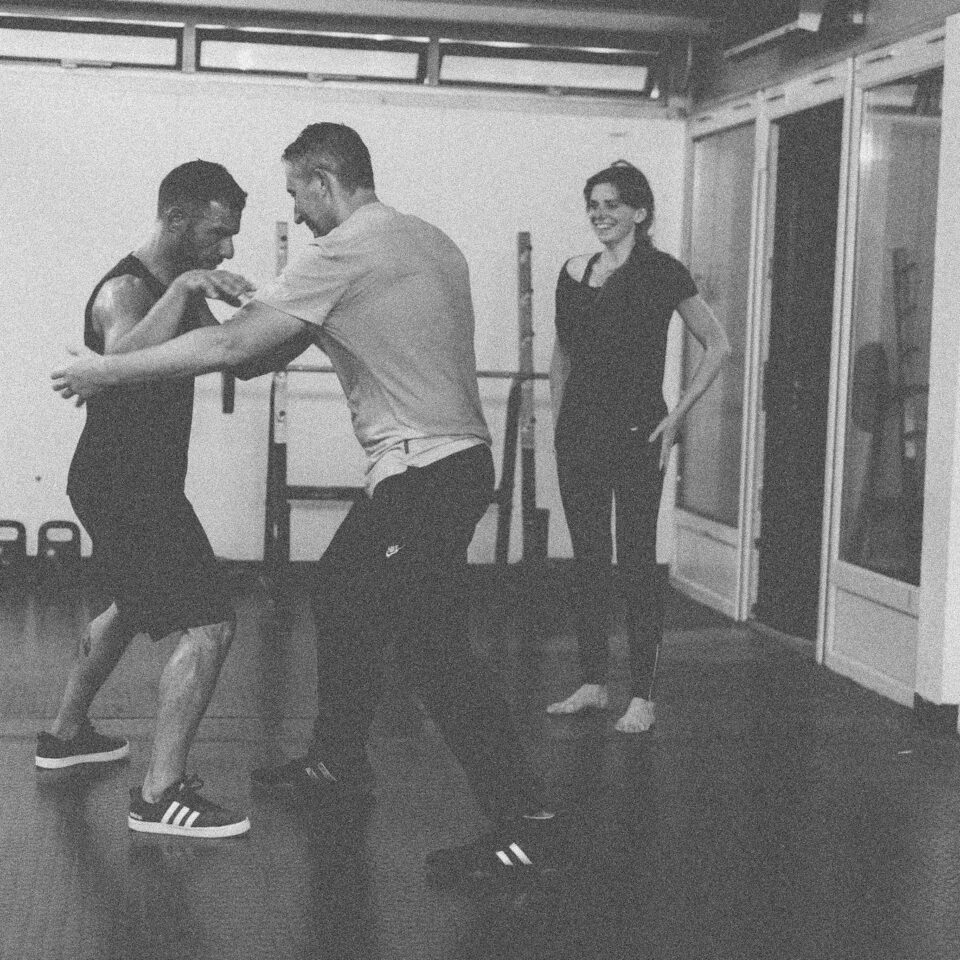
2. The Trap (The “Empty” Feint) In close-quarters grappling or throwing (Die Pu), you should never attempt to use your real, “full” technique immediately against a stronger attacker. Instead, you use a fake (“empty”) technique to disguise your true intention. For example, you might use a technique like “High Pat on Horse” to aggressively press the attacker’s upper body. The larger attacker will instinctively use their superior strength to resist this pressure and avoid being pushed backward.
3. Executing the “Full” Strike By forcing the attacker to resist your high push, you successfully draw all of their physical tension and psychological attention upward. This resistance acts as the “empty” trap, inadvertently leaving their middle or lower body completely completely devoid of defense. At this exact moment, you seamlessly transition your technique from “empty” to “full” (real)—dropping your weight to execute a throw like “White Crane Flaps its Wings,” issuing your power directly into their newly created empty zone to effortlessly topple them.
4. Timing the Opponent’s Retraction This principle also applies to the timing of strikes. If the larger opponent launches a heavy, “solid” attack, the Tai Chi fighter yields and uses borrowing force to neutralize it rather than blocking. When the attacker’s strike misses and they retract their arm, their momentum shifts from a “solid” offensive state to an “empty” state. This exact fraction of a second—when the opponent shifts from solid to empty—is the optimal window for the defender to shift from yielding (“empty”) to counter-attacking (“full”), concentrating their power onto the opponent’s weak point before they can recover.
Join a class
learn online
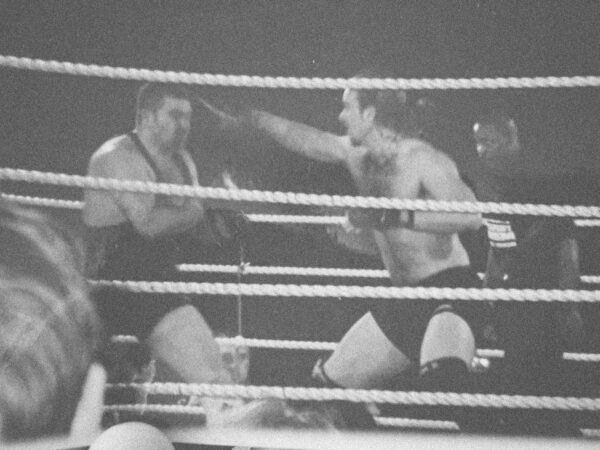
a video discussion of key tai chi self defence concepts
WUDANG TAI CHI CHUAN’S 48 TRADITIONAL FIGHTING TECHNIQUES, DRILLS AND ADVANCED APPLICATIONS