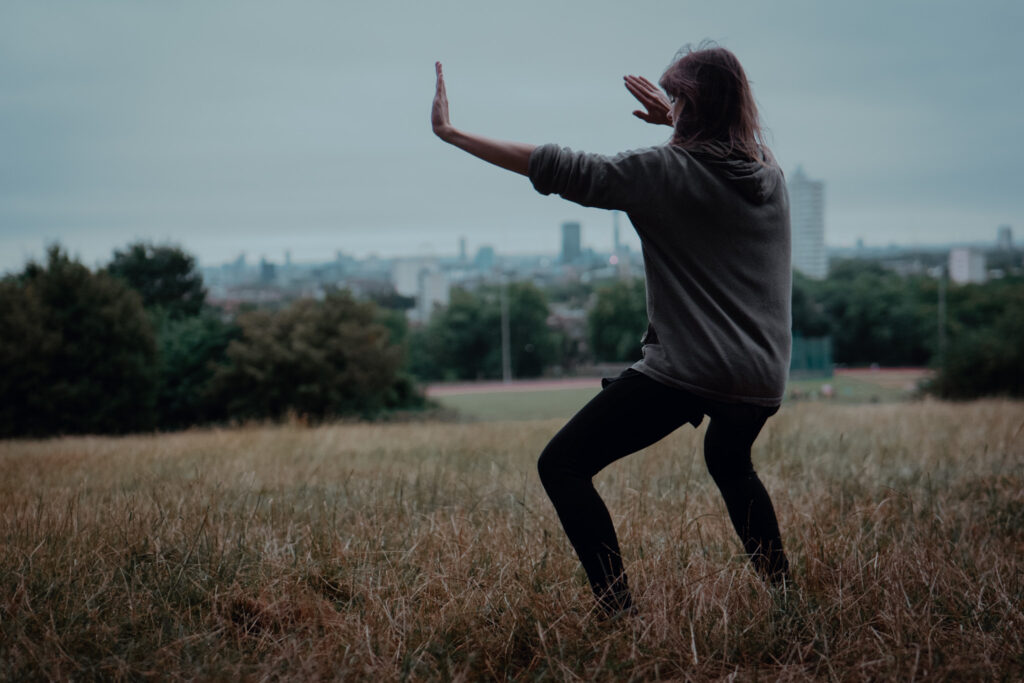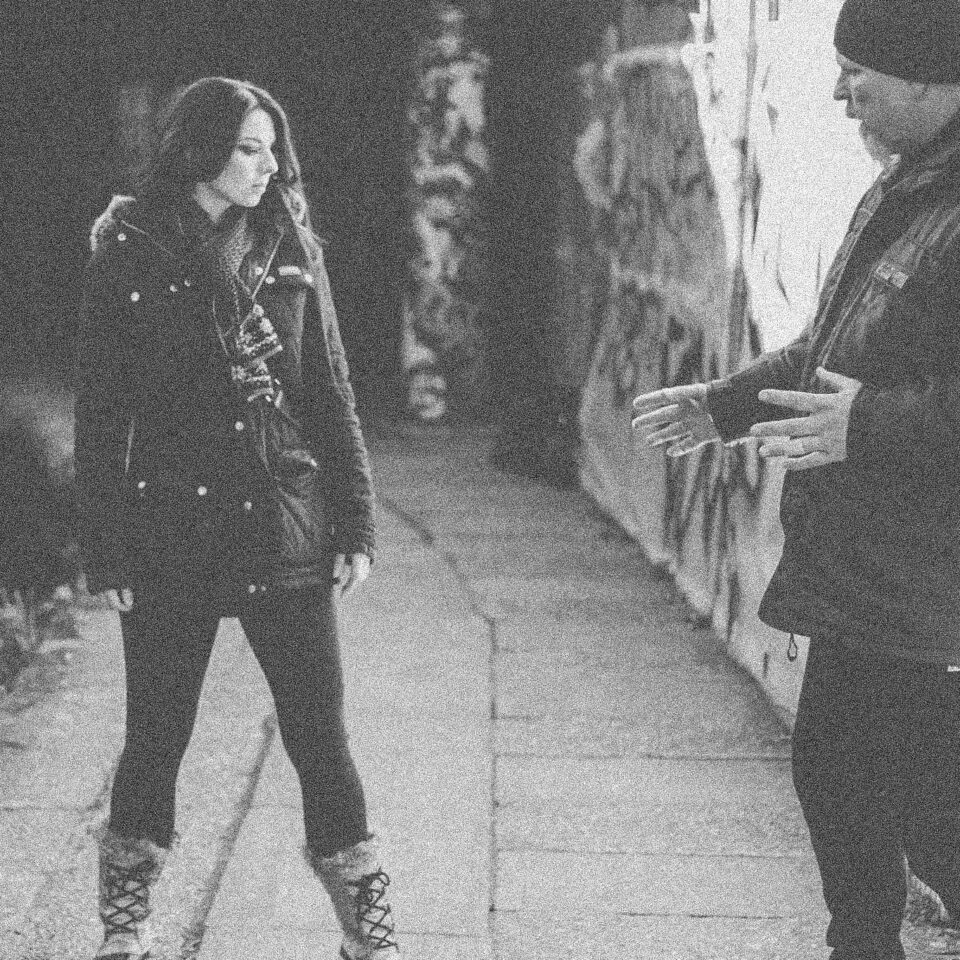



Cheng Tin Hung’s approach to street fighting and self-defense was heavily influenced by a childhood observation. He witnessed a local martial arts instructor lose a street fight to an unskilled thug because the instructor lacked practical fighting experience.
This taught Cheng that practicing Tai Chi solely for fitness and forms is entirely different from training for practical combat. To survive a real encounter against a high level or dangerous attacker, Cheng insisted that a practitioner must move beyond compliant exercises and master a complete combat curriculum: the solo form, pushing hands, San Shou (free fighting), wrestling/throwing (跌撲), and Neigong (internal strength).
Tactics and Combat Principles Cheng outlined strict tactical rules for street fighting and self-defense:
Calmness and Distance: A fighter must remain absolutely calm and composed, maintaining a safe distance to prevent the attacker from launching a sudden, surprise assault.
No Wasted Energy: Do not throw empty or wasted strikes, as this rapidly drains the stamina required to survive.
Fast Retraction: Speed is paramount. Strikes must be thrown quickly and retracted instantly; leaving an arm extended gives the opponent an opportunity to grab and control it.
Relentless Pressure: He taught aggressive continuous techniques like the “Running Thunder Fist” to chase and pressure the opponent, leaving them no time or space to counter-attack.
Another method, “Free Flower Picking,” involved striking any available opening (up, down, front, back) to confuse the opponent with a flurry of blows before delivering a powerful finishing strike.
Adaptability Over Techniques: Cheng strictly warned against relying on memorized techniques. When asked what to do against an unorthodox or unseen attack, he stated, “You have to adapt. There is only one technique, that is the principle which everything else comes out of”.
Physical Conditioning for the Street
Cheng believed that without serious physical conditioning, Tai Chi techniques were just “flowery fists and embroidered legs”.
His conditioning methods included:
Heavy Bag Training: Practitioners were required to hit cotton bags to develop genuine striking power. Crucially, they had to practice hitting the bag while moving dynamically using specific footwork (such as the Seven Stars or Nine Palaces steps) to simulate tracking and chasing a moving target.
Speed Training: To build explosive speed, students practiced repetitive, rapid punching while holding heavy lead balls. When they subsequently punched without the weights, their hand speed was drastically increased.
Neigong (Internal Strength): Consistent Neigong practice was mandatory to make the muscles elastic and the body capable of absorbing heavy strikes without injury, while also generating the immense “soft power” needed to incapacitate an attacker.
Improvised Weapons
Cheng also adapted traditional Tai Chi weapon techniques for modern street defense. He taught that the mechanics of the broadsword, straight sword, and spear could be directly applied using everyday objects. For example, he outlined how a practitioner could use an ordinary umbrella or broom to deflect a knife attack and counter-strike the attacker’s throat, temples, or wrists.