Nine palace stepping drill

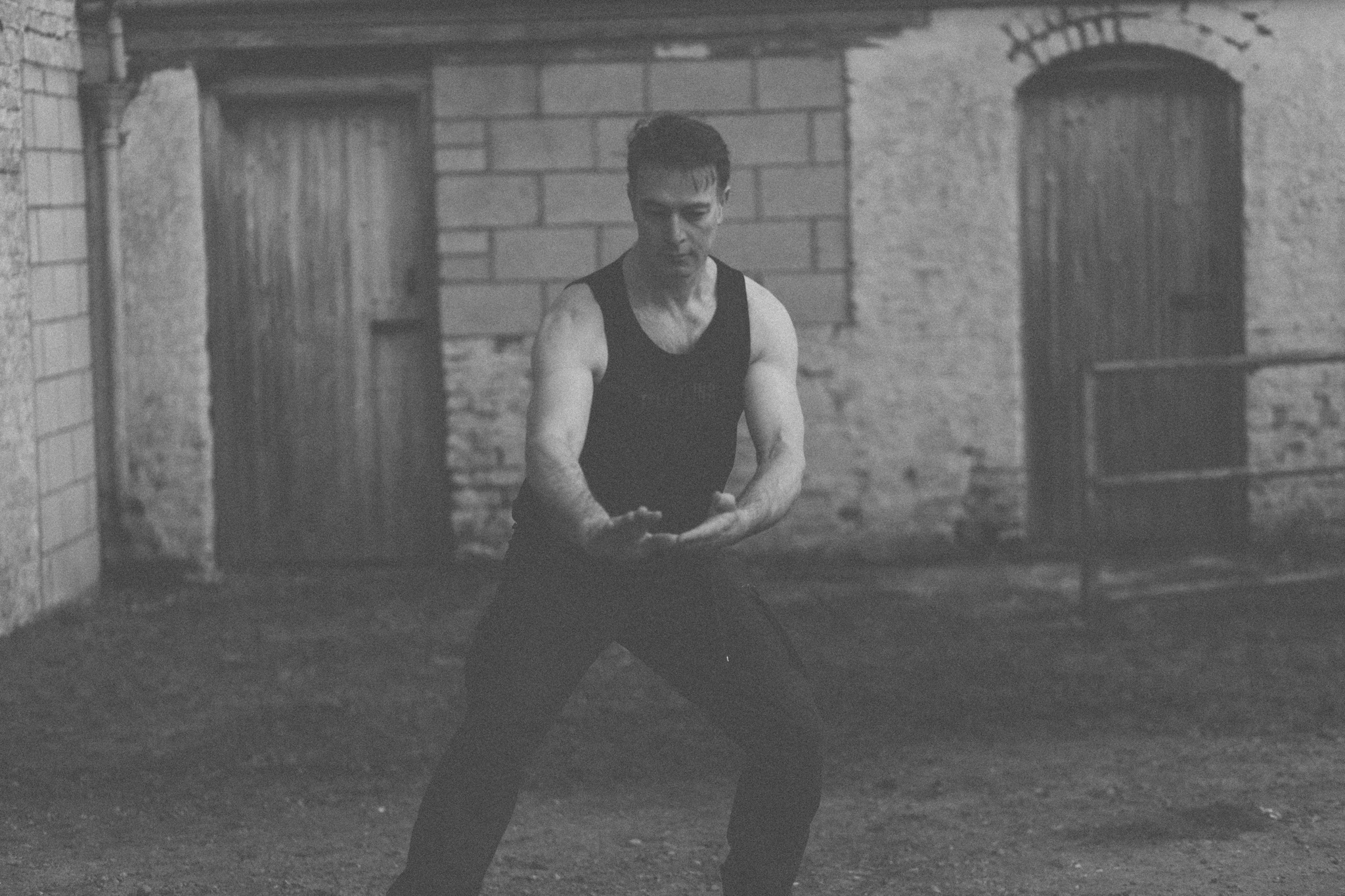
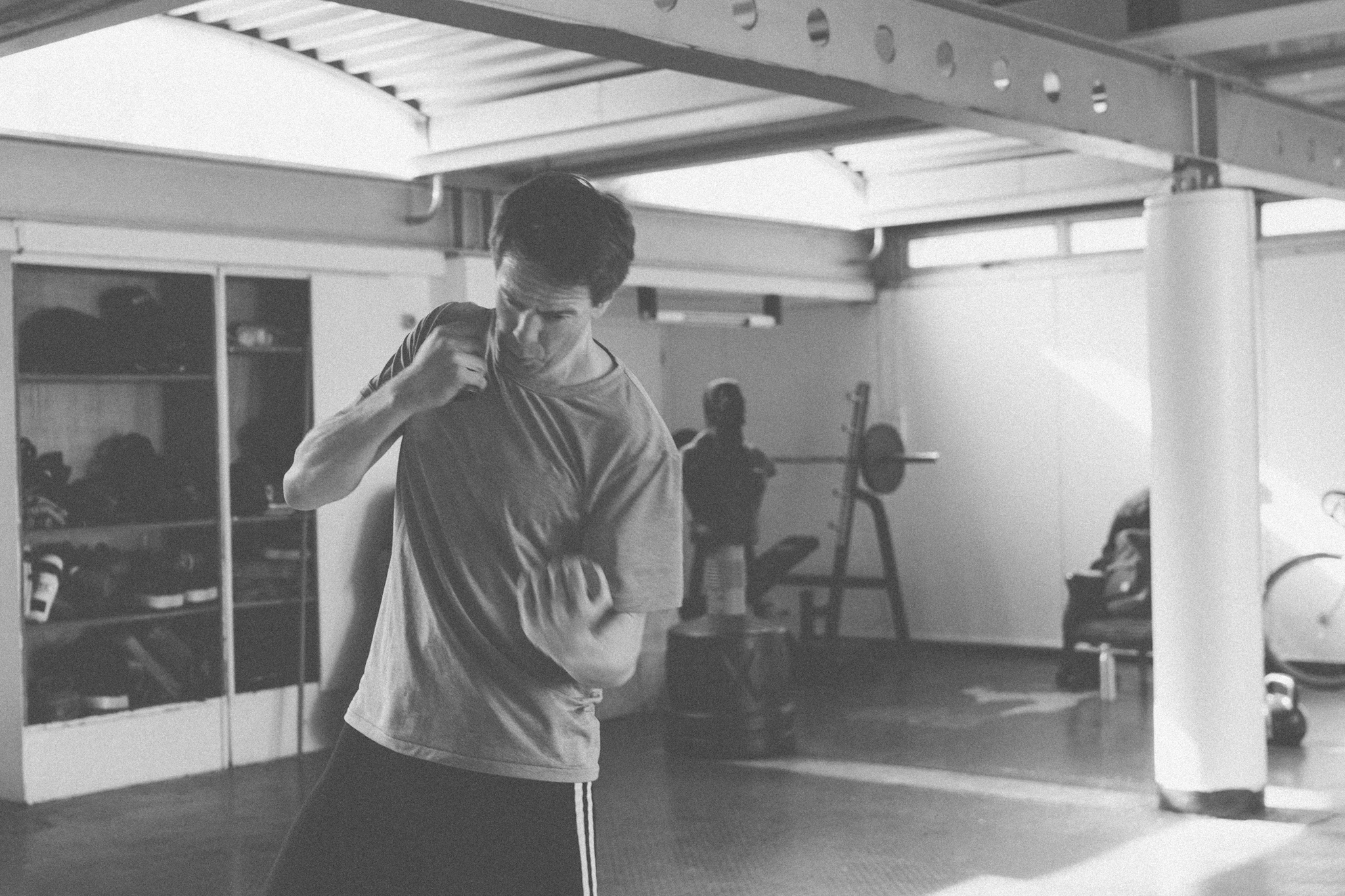
The Nine Palace Step (九宮步) is a highly specialized form of dynamic footwork (moving steps) utilized in the Tai Chi Chuan system of Sifu Cheng Tin Hung. It is categorized alongside other advanced moving-step methods such as the Seven Star Step and the “Da Lu” (Large Rollback) step. The Benefits  Training this footwork pattern allows a fighter…
tai chi breathwork effects on the brain

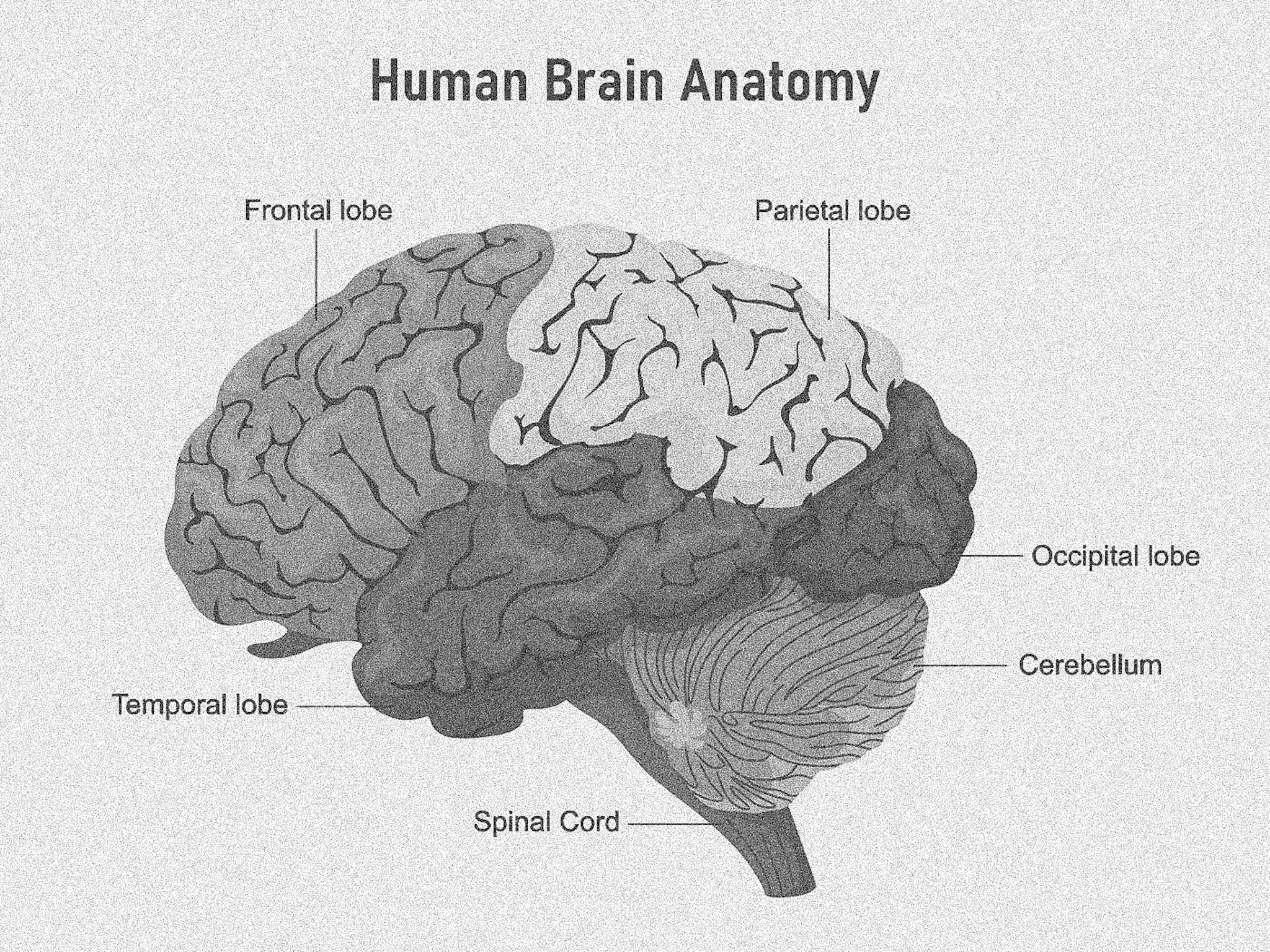
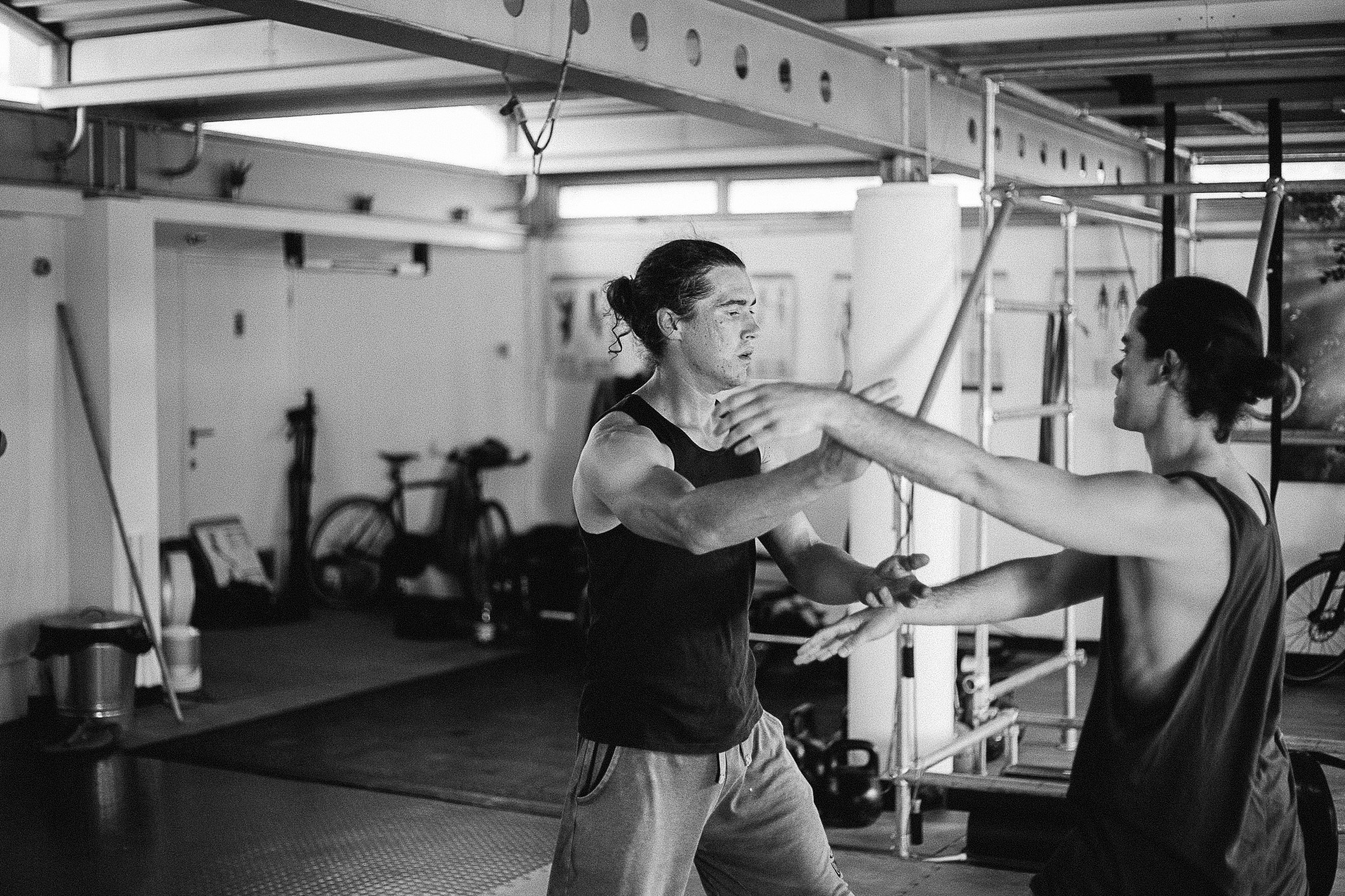
Ancient breathing techniques, such as those practiced in t’ai chi Neigong —often studied under the broader scientific umbrella of mindfulness meditation and mind-body interventions—alter the brain’s physical structure through a process called neuroplasticity. Structural MRI data reveals several specific ways these meditative breathing practices physically remodel the brain: Together, the physical restructuring of these specific brain…

1881 li family training advice

The Li family learned their t’ai chi from Wang Lan Ting. Wang is the source of the martial training in this lineage of t’ai chi, teaching the monk who taught qi min Xuan, who then to cheng tin Hung. Their approach to training in the documents written in 1881 very much parallel the approach taken…

old man burning the cinnabar

Practicing the specific breathing and mantra meditation of the “Old Man” exercises at the end of a grueling training session serves as a profound recovery tool, blending traditional martial conditioning with scientifically validated physiological repair. Here are the specific benefits of concluding a hard Neigong or training session with these practices: Targeted Healing and Sleep…

higher level neigong

Increasing the time holds (isometric contractions) and the number of repetitions in Neigong training provides profound biomechanical and physiological benefits that directly enhance martial power. The Benefits of Increasing Repetitions  In the Cheng Tin Hung system, Neigong repetitions are structured across Beginner, Intermediate, and Advanced levels. Practitioners are encouraged to systematically increase their repetitions from…

internal martial arts benefits

Internal martial arts (such as Tai Chi, Hsing Yi, and Pa Kua) improve physical and psychological health through a highly integrated system of mindful movement, specialized breathing, and structural alignment. Modern scientific research validates these traditional practices across several disciplines: Physical Health and Biomechanics Psychological and Neurological Well-Being Epigenetic Rejuvenation Bridging the gap between the mind…

the idea of ‘stillness defeating motion’

The tactical concept of “Starting after but arriving first” (後發先至) describes how a Tai Chi practitioner can allow an opponent to initiate an attack, yet still intercept or counter them before the attack can land. According to the sources, this seemingly paradoxical strategy works through a combination of physical “softness” and advanced tactile sensitivity: “The…

NervOus system conditioning through stance work

Tai Chi stances condition the nervous system through a combination of profound physical relaxation, sustained isometric resistance, and intense mental focus. This training method triggers significant adaptations in both the brain and the peripheral nervous system. Here is how Tai Chi stances specifically condition the nervous system: The adaptations developed through Tai Chi posture training…

striking & grappling strength

Striking strength and grappling strength differ primarily in their relationship between force and speed, a concept governed by the human body’s “force-velocity curve”. Because of these distinct biomechanical demands, they are trained differently. To build striking strength, practitioners might use light to moderate resistance moved rapidly (such as punching 100 times per minute while holding…

tai chi’s weight training

The process of training with lead weights is a specialized conditioning method used in the practical t’ai chi system to develop explosive striking capabilities. The Process The Benefits Modern bodybuilding-style weight training generally focuses on moving one limb at a time to isolate and “pump up” a single muscle using very simple movement patterns. Because…