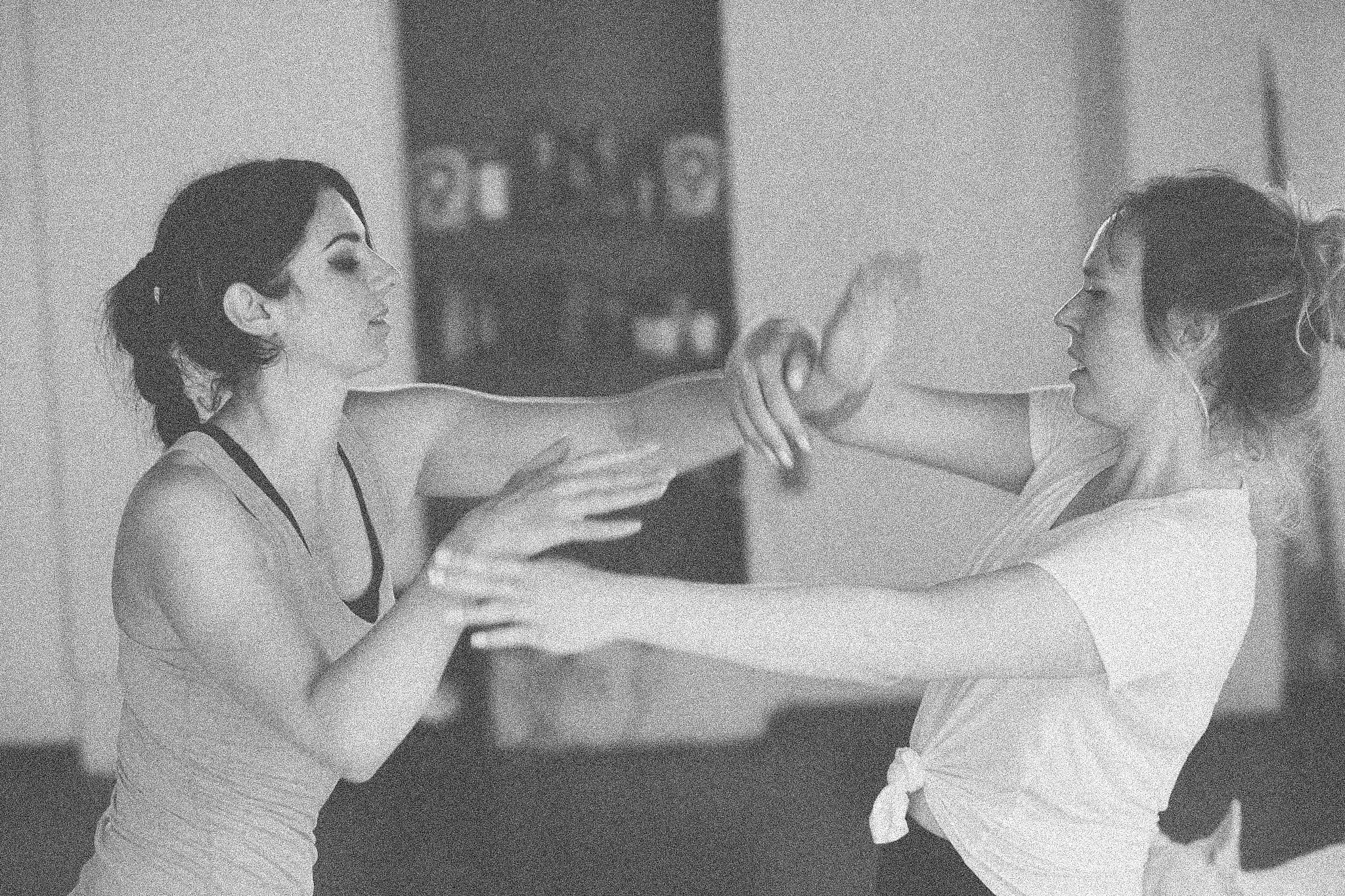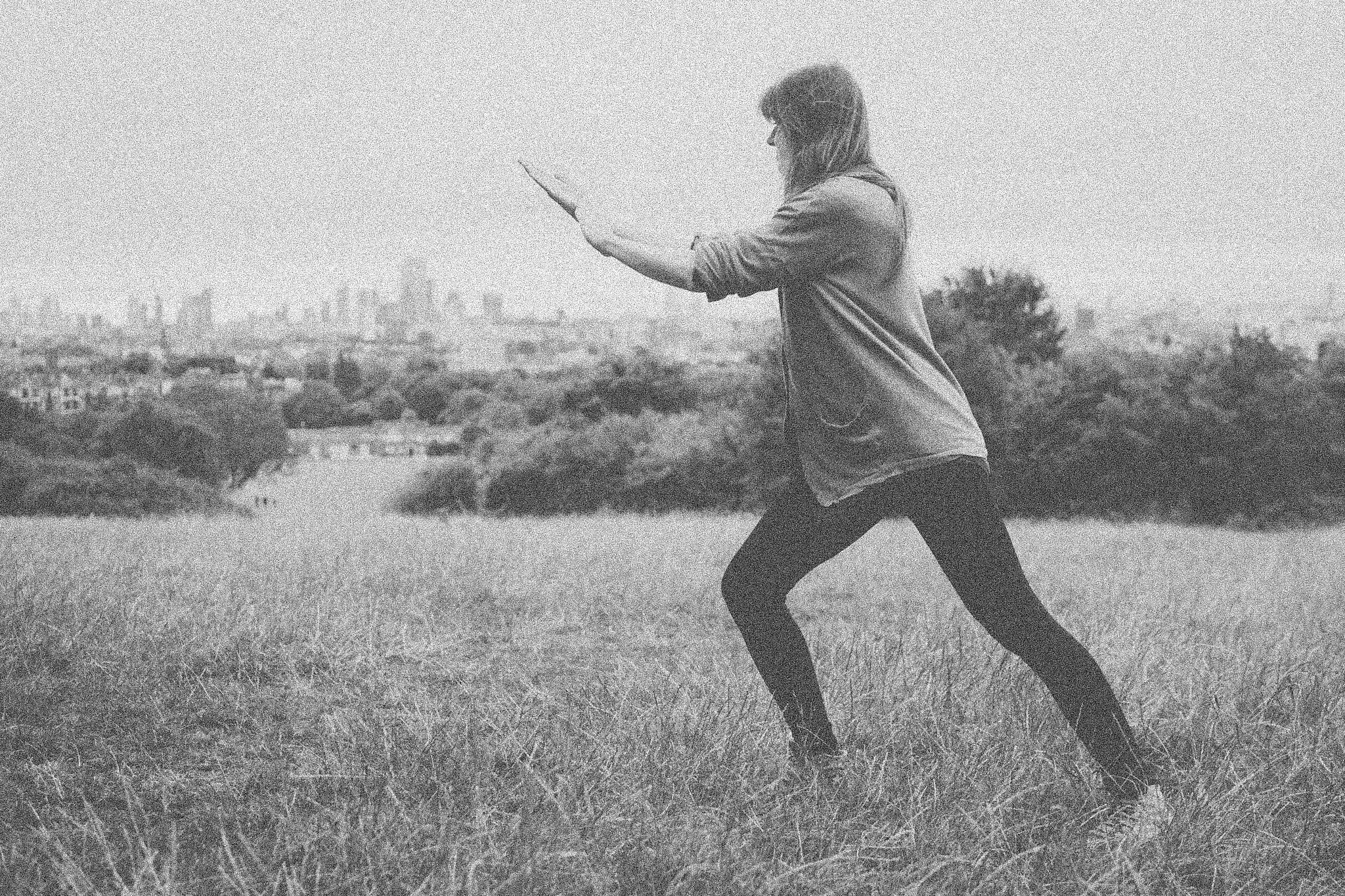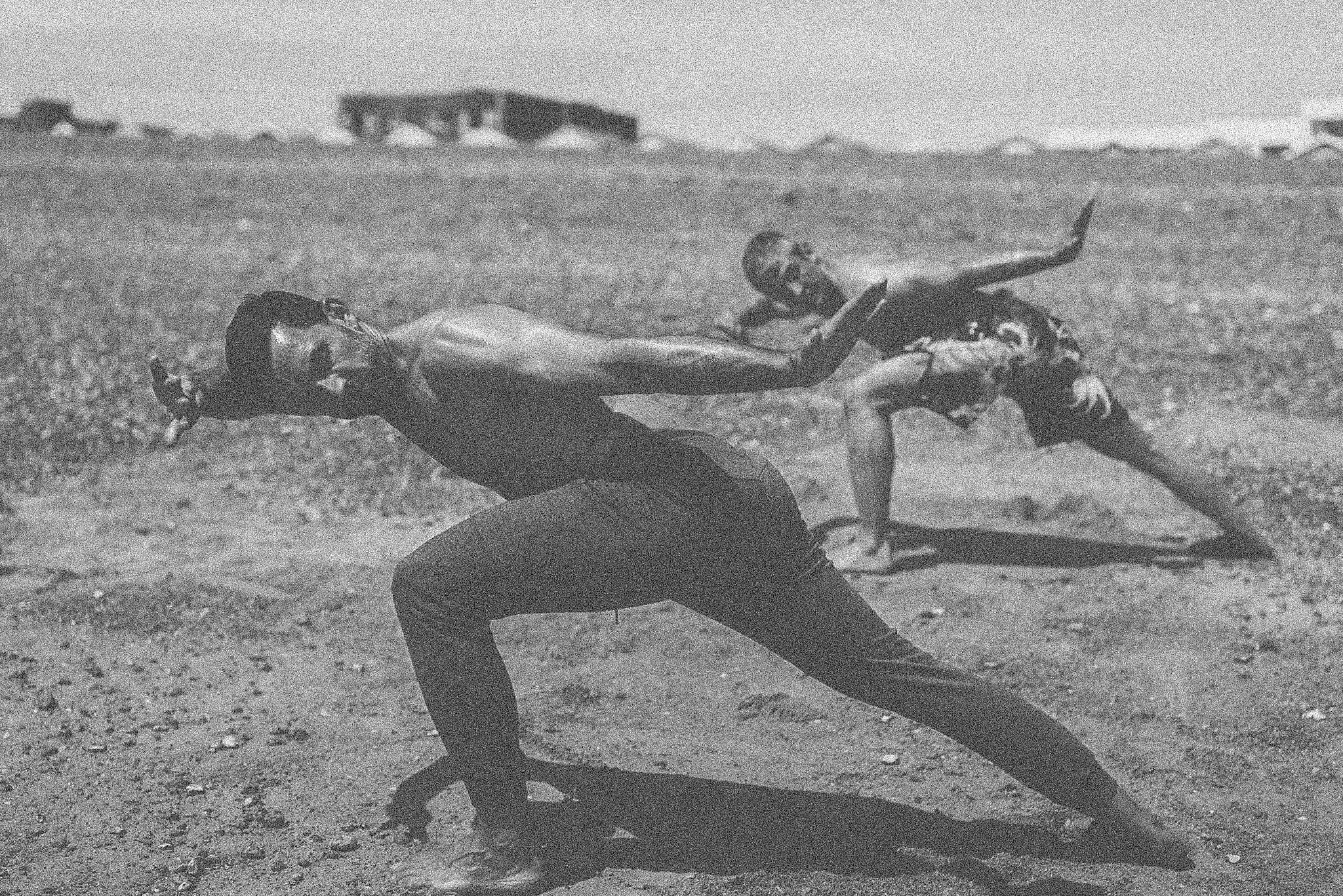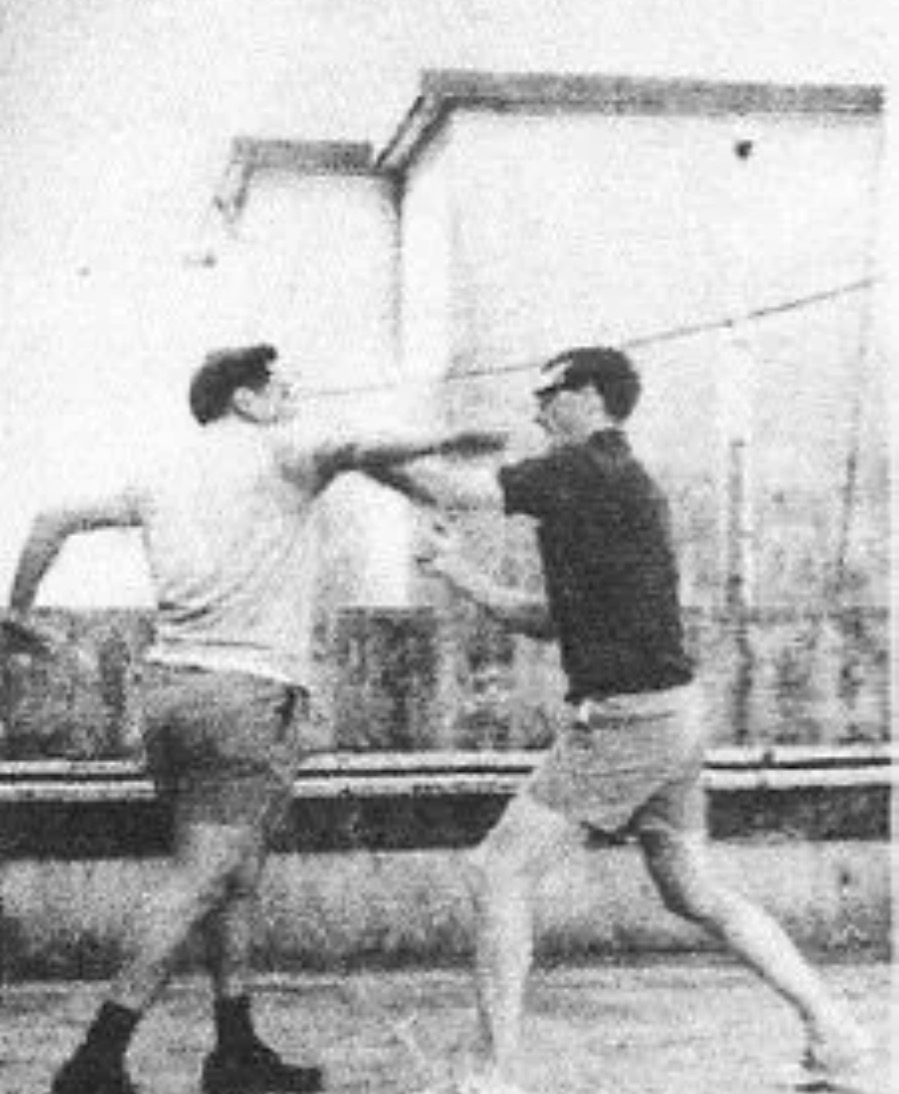
tai chi bag and padwork

According to the tradition in this practical tai chi style , striking the heavy bag (棉包) is a crucial part of Tai Chi combat (San Shou) training designed to increase the power and effectiveness of your punches and kicks. Usually this is practiced without gloves to condition the hands, so that you can safely strike…
how the Yang neigong exercises build striking power

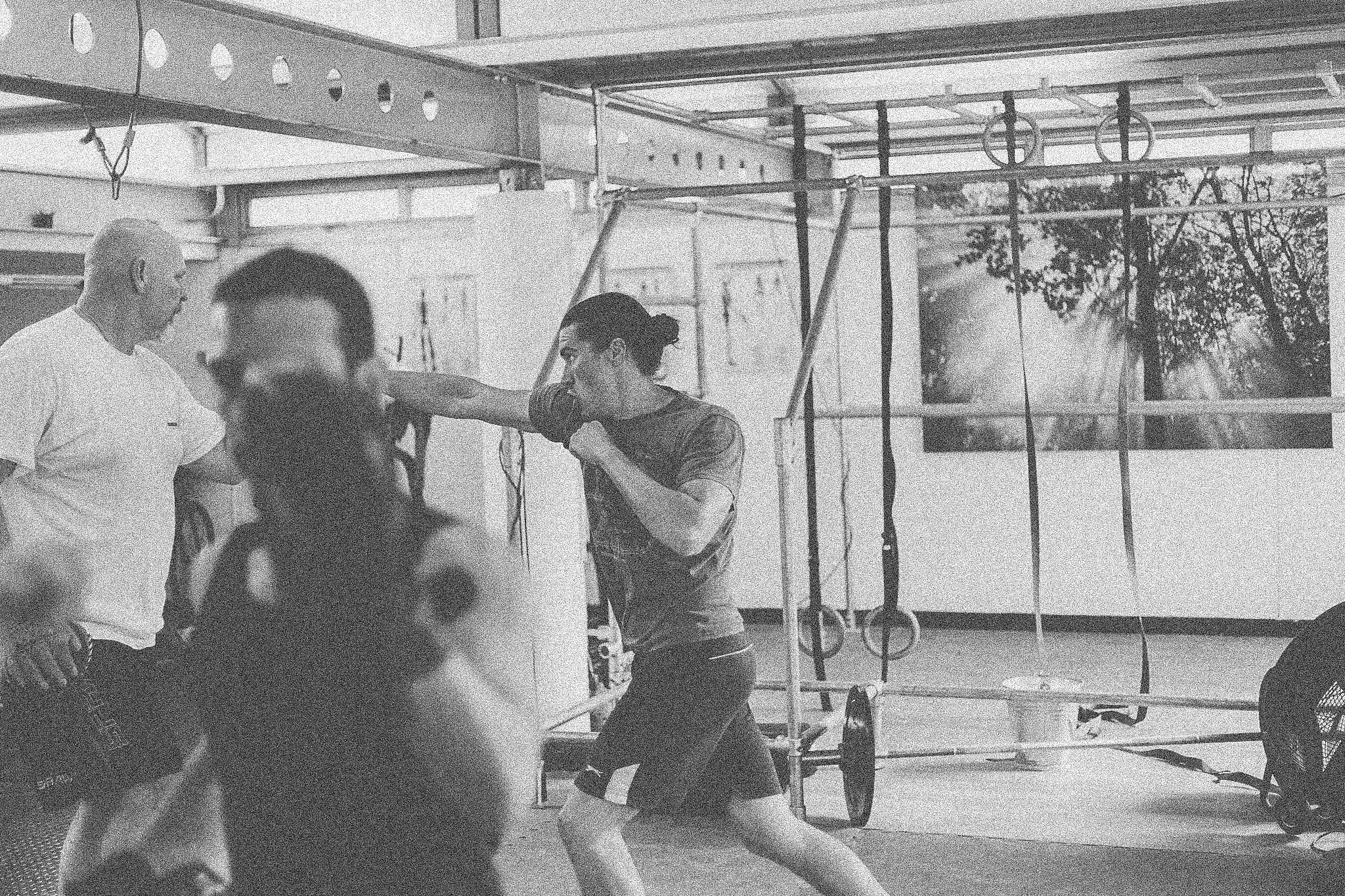
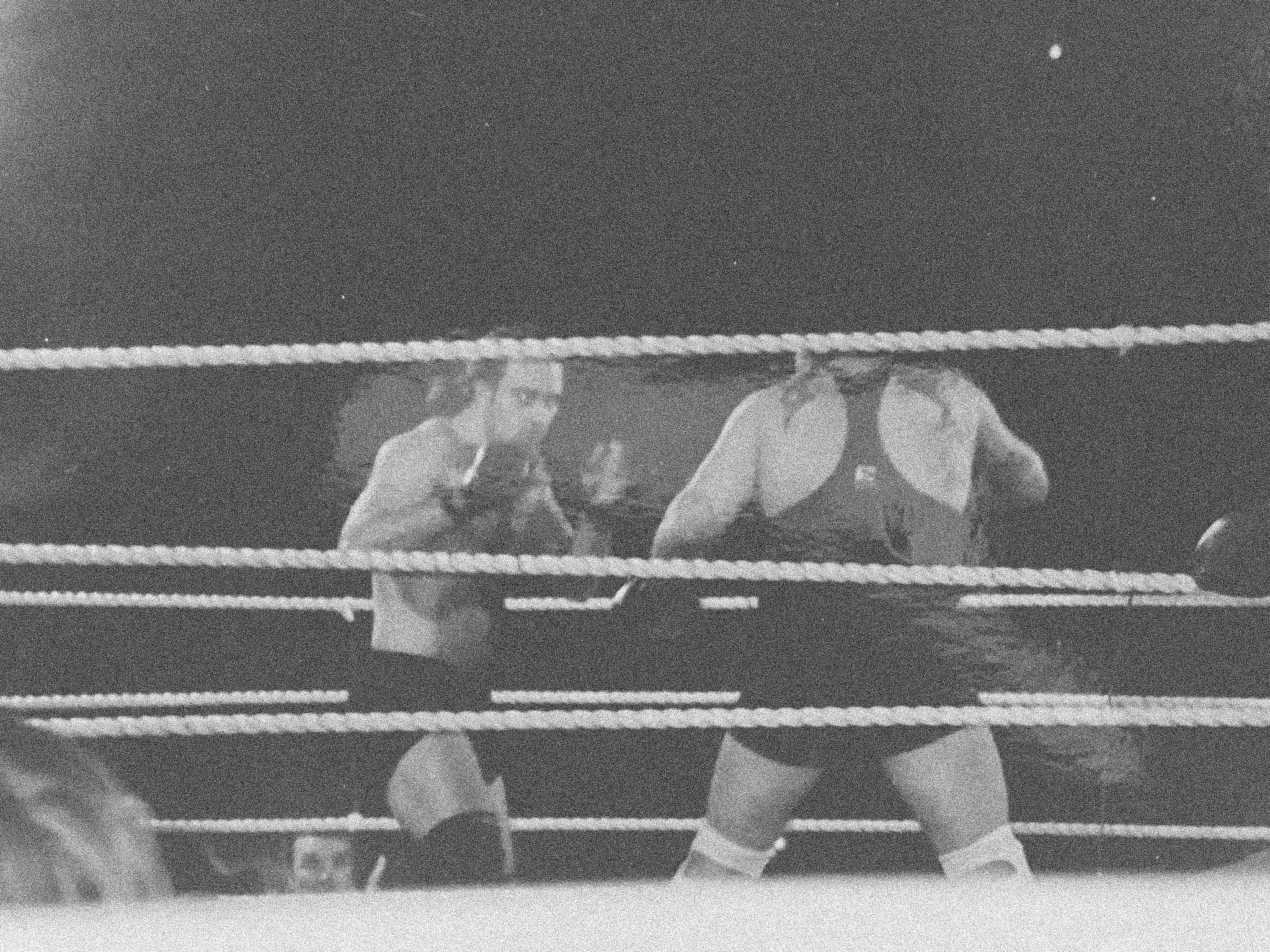
While the Yin segment of Tai Chi Nei Kung (Internal Strength) focuses on conditioning the body to absorb impacts, the Yang segment (陽段) is explicitly designed to develop and emit martial power, known as Jing (勁). The Yang training chart lists specific exercises designed to cultivate various expressions of this power, such as waist power…

Master cheng tin hung’s advice for self defence

Cheng Tin Hung’s approach to street fighting and self-defense was heavily influenced by a childhood observation. He witnessed a local martial arts instructor lose a street fight to an unskilled thug because the instructor lacked practical fighting experience. This taught Cheng that practicing Tai Chi solely for fitness and forms is entirely different from training…

Movement quality advice during neigong

The Yin segment (陰段) of Tai Chi Internal Power (Neigong) primarily focuses on conditioning the physical body and structure (主練體). To achieve the optimal movement quality and physical state during this training, traditional writings indicate you should aim for several key characteristics: Dynamic Adaptability: Your movements must reach a highly versatile state where they “can…

Tai Chi, testosterone and other benefits

Scientific research demonstrates that adopting an expansive and erect “power posture” can rapidly alter the body’s endocrine (hormone) levels.  Specifically, a study showed that holding an expansive power posture for just two minutes resulted in a significant increase in testosterone levels and a decrease in cortisol, which is commonly known as the stress hormone. Conversely, the…

The Nei-yeh and its relationship to tai chi

Translated as Inward Training it is a collection of poetic verses detailing a method of self-discipline known as “inner cultivation” and the nature of the Way (Tao). Hidden for millennia as a single chapter within the voluminous, politically focused Kuan Tzu collection It is now considered by scholars to be possibly the oldest mystical text in China. Relationship to…